Jelly Belty: A Handwritten Font for Editorial Elegance
Using Jelly Belty for Magazine Covers and Article Headers
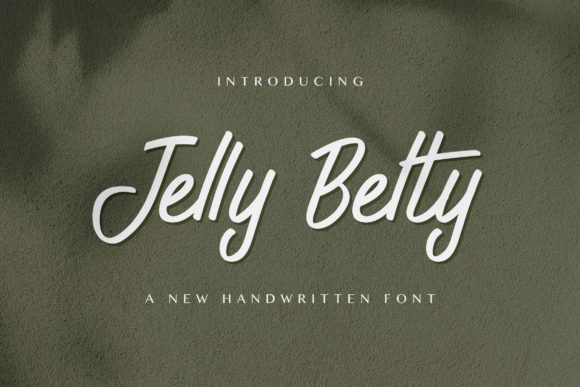
Jelly Belty is a Script Handwritten font that brings a soft, flowing elegance to editorial layouts. Its delicate strokes and balanced characters make it ideal for magazine covers, blog headers, and article titles where visual appeal needs to meet readability. Unlike many other Fonts, Jelly Belty doesn’t overwhelm the design but instead enhances the tone of your publication with its graceful personality.
When designing a digital or print magazine cover, the right typeface can set the mood instantly. Jelly Belty works especially well in niches like lifestyle, fashion, and personal development, where warmth and sophistication are key. The fluid nature of this handwritten font adds an organic feel that modern sans serifs often lack, making it perfect for capturing attention without sacrificing clarity.
Jelly Belty for Wedding Guides and Special Occasions
If you're creating a wedding guide, event planner, or any content tied to celebrations, Jelly Belty can elevate the aesthetic significantly. Its elegant curves and consistent rhythm give it a refined yet approachable look that’s suitable for headings, pull quotes, and decorative text blocks. As a Script Handwritten Font, it naturally fits into themes that require a personal or romantic touch.
For example, when designing a printable wedding planning worksheet or a digital newsletter about upcoming nuptials, using Jelly Belty for titles and feature headings creates a sense of intimacy and class. It's also great for social media graphics promoting such publications, ensuring brand consistency across platforms.
Readability on Screen and Print
One concern with script and handwritten fonts is their legibility at smaller sizes. However, Jelly Belty has been crafted with balance in mind, so it remains highly readable even in digital formats. Whether you're exporting a PDF version of a Fonts-based layout or optimizing for mobile screen reading, this typeface maintains its charm without becoming hard to decipher.
Its subtle character variations and clean baseline help maintain flow and structure in both long-form articles and short captions. This makes it a versatile choice for bloggers who want to add typographic flair without compromising user experience.
Pairing Jelly Belty with Complementary Fonts
In editorial design, font pairing is crucial for maintaining hierarchy and guiding the reader through the content. Jelly Belty, as a Script Handwritten Font, pairs beautifully with more structured serif or sans serif fonts used for body copy. For instance, combining it with a classic serif like Georgia or a modern sans like Lato ensures a harmonious contrast between display and reading typefaces.
- Blog Layouts: Use Jelly Belty for post titles and pull quotes, then pair it with a clean sans serif for navigation and captions.
- Ebook Design: Apply Jelly Belty to chapter openers and section headings while keeping body text in a high-contrast serif font.
- Newsletter Branding: Feature Jelly Belty in the header and signature sections to reinforce a warm, humanized brand identity.
Creating Visual Hierarchy with Jelly Belty
Visual hierarchy is essential in editorial work, and the right Fonts can make all the difference. Jelly Belty shines in roles that demand attention—like callout boxes, lead magnets, and quote graphics. Its flowing style helps emphasize key messages without pulling the reader out of the narrative.
Because of its gentle curves and rhythmic spacing, Jelly Belty supports a clear hierarchy when paired with contrasting weights or colors. In a digital course or printable guide, using it for subtitles or section dividers can help break up dense text while maintaining an inviting tone.
Jelly Belty for Digital Publications and Content Branding
Content creators looking to build a strong brand identity will find value in integrating Jelly Belty into their design assets. From logo concepts to social media templates, this Script Handwritten font conveys creativity and thoughtfulness—qualities that resonate with readers seeking quality content.
Consider using Jelly Belty in your newsletter sign-off or as part of a digital product’s branding elements. It works particularly well in creator-driven spaces like coaching workbooks, lifestyle blogs, and wellness guides, where the font’s natural handwriting feel aligns with the voice of the content.
Exploring Alternates and Ligatures
Many Fonts come with stylistic alternates and ligatures to enhance typographic richness. If Jelly Belty includes these features, they can be leveraged to add variation to repeated letters or stylize certain phrases for greater impact. These small details contribute to a polished and professional look, especially in premium content like recipe ebooks or curated digital magazines.
Always check if the font includes multilingual support if you're targeting international audiences. This is especially important for digital products, web design, or educational materials intended for broader reach.
Jelly Belty in Lead Magnets and Printable Materials
Lead magnets and downloadable resources are vital tools for growing your audience. With Jelly Belty, you can craft eye-catching headlines for free worksheets, planners, and guides. Its elegant style helps create a sense of value and trust, encouraging users to engage with your content.
In a printable planner, for instance, Jelly Belty could serve as the primary heading font, giving each section a personalized and artistic flair. When used sparingly for accents or titles, it becomes a powerful tool in shaping the visual tone of your publication.
Commercial Licensing Considerations
Before using Jelly Belty in client-facing projects, paid newsletters, or digital downloads, it’s important to review its commercial licensing terms. Many premium Fonts offer extended rights for use in publications, templates, and online courses. Ensuring proper licensing not only protects your business but also gives you peace of mind when distributing content globally.
Why Jelly Belty Fits into Modern Typography Trends
Handwritten Fonts have become increasingly popular in editorial design due to their ability to convey authenticity and creativity. Jelly Belty stands out among Script Handwritten options by offering a balanced mix of delicacy and structure. It avoids the overly casual or messy look that some script fonts adopt, instead presenting a refined, modern alternative.
This makes it a go-to choice for designers aiming to blend traditional charm with contemporary readability. Whether you’re working on a digital magazine or a content-heavy website, Jelly Belty can help you achieve a unique yet accessible typographic identity.
Practical Examples of Jelly Belty in Action
Here are a few real-world applications where Jelly Belty can shine:
- Lifestyle Blog: Use it for post titles and featured headings to create a warm, inviting atmosphere.
- Recipe Ebook: Apply it to chapter titles and special ingredient lists to evoke a handcrafted, artisanal feel.
- Wedding Guide: Incorporate it into cover art, subheadings, and decorative text elements for a romantic aesthetic.
- Coaching Workbook: Employ it for motivational quotes and section headers to inspire engagement and trust.
- Digital Magazine: Use it as a secondary title font to add variety and visual interest to your layout.
Jelly Belty for Social Media Graphics and Web Design
Social media plays a big role in content visibility, and the typography you choose can influence how your message is perceived. Jelly Belty is excellent for crafting engaging Instagram posts, Facebook banners, and Twitter cards related to your publications. Its flowing style lends itself well to quote-based graphics, which are highly shareable and effective for driving traffic.
In web design, Jelly Belty can be used for hero headings, call-to-action buttons, or landing page titles. Just ensure it’s reserved for display purposes rather than body copy to maintain optimal readability. Its versatility allows it to adapt to both minimalistic and richly designed websites, depending on your brand’s visual language.
Ensuring Consistency Across Publication Formats
Consistency is key when building a publication or content brand. Jelly Belty offers a cohesive style that works across various formats—whether it’s a blog post, a PDF download, or a printed zine. By sticking to one dominant Script Handwritten Font, you avoid visual fragmentation and strengthen your overall brand recognition.
Use it consistently for specific elements like article intros, pull quotes, and cover text to establish a familiar typographic pattern. Over time, your audience will associate this elegant style with the quality and tone of your content.
Jelly Belty in Packaging and Promotional Design
Beyond just text, Fonts play a critical role in packaging and promotional materials. If you're selling digital products or physical printables, Jelly Belty can be used on thumbnails, promotional banners, and product listings to attract potential buyers. Its refined appearance suggests professionalism and care—important for standing out in crowded markets.
It’s also a great fit for podcast art, YouTube thumbnails, and email headers. Anywhere you need a creative yet readable typeface, Jelly Belty delivers a unique edge that aligns with editorial aesthetics.
Final Notes on Font Selection for Editorial Projects
Selecting the right Font is about more than just looks—it’s about function, mood, and accessibility. Jelly Belty excels in environments where elegance meets usability. As a Script Handwritten option, it bridges the gap between formal and informal typography, allowing you to craft designs that feel both authentic and polished.
Whether you're designing for a digital platform or print, consider how Jelly Belty can bring a humanized touch to your content. Used strategically, it can improve reader engagement, reinforce brand identity, and add a layer of sophistication to your most creative ideas.