Beloved Hearts Typeface: A Designer’s Guide to Elegant Handwritten Branding
I was staring at a blank Figma file, trying to find the right personality for a new boutique skincare brand, when I decided to stop searching for generic scripts and actually test Beloved Hearts. As a graphic designer, I’ve spent years sifting through thousands of fonts, but there is something distinct about how this typeface behaves on a screen versus how it feels in a real-world application. This isn’t just another decorative script; it is an elegant and flowing handwritten font that brings a specific kind of warmth and sophistication to any visual identity. In this article, I’ll walk you through my process of integrating Beloved Hearts into a complete branding project, from the initial logo mockup to final packaging design.
Beloved Hearts Script Handwritten Font for Boutique Brand Identity
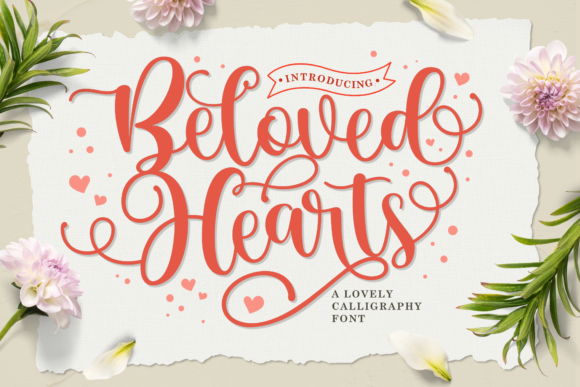
The moment I placed Beloved Hearts on the brand board, the entire mood shifted. The font features a varying baseline, which gives it a natural, organic rhythm that mimics human handwriting without sacrificing legibility. For a small business owner looking to establish a premium feel, this distinction is critical. Unlike rigid, uniform scripts that can feel cold or corporate, Beloved Hearts offers smooth lines and gorgeous glyphs that invite the viewer in. When I used it for the primary logo mark, it immediately communicated approachability and care—two essential traits for a lifestyle or wellness brand. It works beautifully as a display font where every letterform is meant to be seen, establishing an emotional connection before the customer even reads the tagline.
What makes this typeface stand out among other Script Handwritten options is its versatility in tone. It doesn’t scream for attention; instead, it whispers with confidence. During my testing phase, I paired it with a clean, minimal sans serif font for secondary information like contact details and ingredients lists. This contrast created a perfect balance: the handwritten font handled the emotional weight of the brand name, while the supporting typography ensured clarity and professionalism. This combination is a staple in modern typography for brands that want to appear both artisanal and trustworthy.
Using PUA Encoding to Access Swashes in Logo Design
One of the most technical yet rewarding aspects of working with Beloved Hearts is its encoding. It is PUA encoded which means you can access all of the glyphs and swashes with ease directly within your design software. For a designer building a logo system, this is a game-changer. Instead of manually drawing custom flourishes or struggling with complex layering techniques, I could simply select alternate characters and swashes to create unique variations of the wordmark. This allowed me to experiment with different logo treatments quickly—one version might feature a dramatic tail on the final letter, while another might use a lighter, more delicate swash for a sub-brand or product line variant.
This level of control ensures consistency across your design assets. Whether I was designing a storefront sign, a business card, or a digital ad, the core elements of the typeface remained cohesive because they originated from the same font file. The ability to toggle between standard characters and decorative alternates helps maintain a unified visual language. It also saves hours of manual vector work, allowing designers to focus more on strategy and layout rather than fighting the tools. For freelance designers and creative studios, this efficiency translates directly into faster turnaround times and higher quality deliverables.
Beloved Hearts for Packaging Design and Product Labels
Moving beyond the logo, I tested Beloved Hearts on actual packaging mockups to see how it held up in smaller formats. Packaging design requires a delicate touch; text must be readable at a glance, even from a distance on a shelf. Because Beloved Hearts is an elegant and flowing handwritten font, it performs exceptionally well on labels where space is limited. Its smooth lines prevent visual clutter, making it ideal for short phrases, ingredient callouts, or "handmade" badges. I found that using it in a single color, such as black or deep navy, against a textured paper background added a tactile, premium quality to the product.
When applying Fonts to physical products, texture plays a huge role. On glossy stickers, the ink sits flat and crisp, highlighting the precision of the curves. On matte or recycled paper, the slight imperfections in the handwritten style blend seamlessly with the material’s natural grain. This adaptability makes Beloved Hearts a strong candidate for crafters, hobbyists, and small business owners who produce physical goods. Whether it’s a jar of honey, a box of candles, or a set of handmade soaps, the font adds a personal, artisanal touch that mass-produced labels often lack. It elevates the perceived value of the product by suggesting that care and attention were put into every detail.
Beloved Hearts for Social Media Graphics and Digital Templates
In today’s digital-first world, your brand needs to look just as polished on Instagram as it does in print. I used Beloved Hearts to create a series of social media graphics, including quote cards, promotional banners, and story highlights. The font’s varying baseline adds movement to static images, guiding the viewer’s eye across the composition naturally. For content creators and marketers, this dynamic quality helps break up monotony and increases engagement. When paired with soft, neutral colors and ample white space, the script exudes a calm, editorial vibe that resonates well with audiences interested in lifestyle, beauty, and home decor.
Testing the font digitally also revealed its strength in web headers and email newsletters. While it shouldn’t be used for long paragraphs of body text, it serves perfectly as an accent font for headlines or pull quotes. Its readability remains high even at smaller sizes, provided it isn’t overly compressed. For bloggers and publishers, incorporating Beloved Hearts into digital templates can instantly give a website a bespoke, magazine-like feel. It bridges the gap between traditional print aesthetics and modern digital consumption, ensuring that your brand voice remains consistent across all platforms.
Why Beloved Hearts Fits Modern Creative Projects
Ultimately, choosing the right typeface is about aligning visual form with brand intent. Beloved Hearts succeeds because it balances elegance with accessibility. It doesn’t try too hard to be artistic; it simply *is* artistic. For entrepreneurs and small business owners, this means less time explaining their brand’s aesthetic and more time letting the design speak for itself. The font’s inherent charm makes it suitable for a wide range of industries, from weddings and events to cafes and boutiques. It carries a sense of tradition and craftsmanship that consumers increasingly seek out in a digital age.
If you are considering adding Beloved Hearts to your toolkit, I recommend starting with a simple test. Create a few mockups—a business card, a logo, and a social post—and see how it interacts with your existing brand colors. Pay attention to how the swashes interact with your layout and whether the varying baseline complements your overall design structure. By taking the time to understand how this font behaves, you can leverage its full potential to create memorable, professional, and emotionally resonant designs. For anyone looking to infuse their projects with a touch of refined, handwritten elegance, Beloved Hearts is a compelling choice that delivers both style and substance.